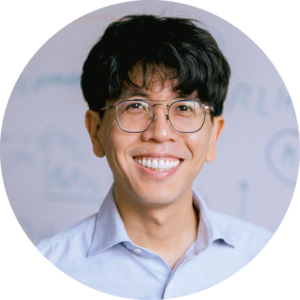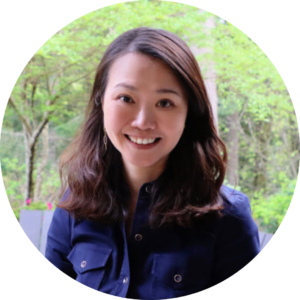

BIO: As CEO of Seattle Children’s, Dr. Christopher Longhurst, MD, MS leads a world-class team of healthcare providers, researchers, and staff who are united by Children’s mission to provide hope, care and cures to help every child live the healthiest and most fulfilling life possible.
A practicing pediatrician for the past 25 years, Dr. Longhurst joined Seattle Children’s in 2026 after serving in a dual role as chief medical officer (CMO) and chief digital officer (CDO) at UC San Diego Health, as well as Professor of Biomedical Informatics and Pediatrics at UC San Diego School of Medicine. Combining a passion for innovation with the drive to improve quality, safety, equity and patient experience, Longhurst was instrumental in securing a philanthropic gift to establish the Joan & Irwin Jacobs Center for Health Innovation where he served as the center’s founding executive director leading the AI portfolio across the system.
Dr. Longhurst now serves as an affiliate Professor of Pediatrics and Biomedical Informatics at the University of Washington and continues to contribute thought leadership and scholarship in care quality, patient safety and health informatics. He has published over 150 peer-reviewed articles in journals like the New England Journal of Medicine, JAMA and Pediatrics, and serves on the National Academy of Medicine steering committee for Patient Safety in the AI Era.
Before joining UC San Diego Health, Dr. Longhurst spent 15 years at Stanford University, serving as chief medical information officer for Stanford Children’s Health, where he led efforts to improve children’s health and provider workflow using information technology. He also founded and led the nation’s first accredited clinical informatics fellowship at Stanford, where he was a clinical professor of pediatrics and biomedical informatics.
Dr. Longhurst is an elected fellow of the prestigious American College of Medical Informatics. He earned his medical degree and Master of Science in Medical Informatics from UC Davis, completed his residency at Stanford University, and holds a Bachelor of Science from UC San Diego.
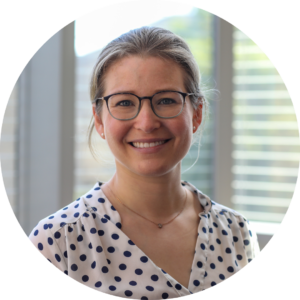
ABSTRACT: Digital health is rapidly expanding due to surging healthcare costs, deteriorating health outcomes, and the growing prevalence and accessibility of mobile health and wearable technologies. Recent technological advancements make it possible to closely and continuously monitor individuals using multiple measurement modalities in real time. We are collecting and integrating such wearables data with clinical information to gain a more precise understanding of health and disease and develop actionable, predictive health models for improving outcomes. We are simultaneously developing open source data science and machine learning tools for the digital health community, including the Digital Biomarker Discovery Pipeline (DBDP), to facilitate the use of mobile device data in healthcare.
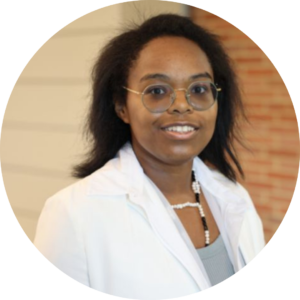
BIO: Jessilyn Dunn, PhD, is Associate Professor of Biomedical Engineering and Biostatistics & Bioinformatics at Duke University. She directs the BIG IDEAs Lab, which is focused on digital health innovation, wearable sensors, and the development and validation of AI-driven digital biomarkers. Dr. Dunn is the Principal Investigator of research initiatives funded by the NIH, NSF, and FDA which are developing digital biomarkers of conditions ranging from pre- and type 2 diabetes to influenza-like illness to Opioid Use Disorder. She sits on the Google Consumer Health Advisory Panel and is a recipient of the NSF CAREER Award and the IEEE EMBS Early Career Achievement Award for her leadership and innovation across engineering and medicine.
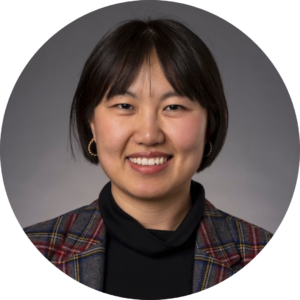
BIO: Lucy Lu Wang is an Assistant Professor at the University of Washington Information School, where she leads the Language Accessibility Research (LARCH) lab. She holds adjunct appointments in the Paul G. Allen School of Computer Science & Engineering, Department of Biomedical Informatics & Medical Education, and Department of Human Centered Design & Engineering at the University of Washington, and is a Research Scientist at the Allen Institute for AI (Ai2). Her work spans scholarly document understanding, document accessibility, scientific evidence synthesis, and health communication. She focuses on developing language technologies to improve access to and understanding of information in high-expertise domains like science and healthcare, with an emphasis on dataset development and evaluation practices. Her work on supplement interaction detection, document accessibility, and academic publishing trends have been featured in media outlets such as Geekwire, Boing Boing, Axios, VentureBeat, and the New York Times.